
Skills and Dignity for Transgender Inclusion
This tailoring-based skilling initiative enables transgender individuals to build self-employment, confidence, and creative identity—opening pathways to economic independence, dignity, and long-term social inclusion.
Livelihood Development Program for Transgender Individuals
Category: Case Study
Focus Area: Corporate Social Responsibility | Livelihoods | Social Inclusion
Location: Ahmedabad, Gujarat
Corporate social responsibility in India has a crucial role to play in advancing social inclusion for communities that have historically remained on the margins of economic opportunity. Transgender individuals, in particular, face systemic barriers to education, employment, financial inclusion, and social acceptance.
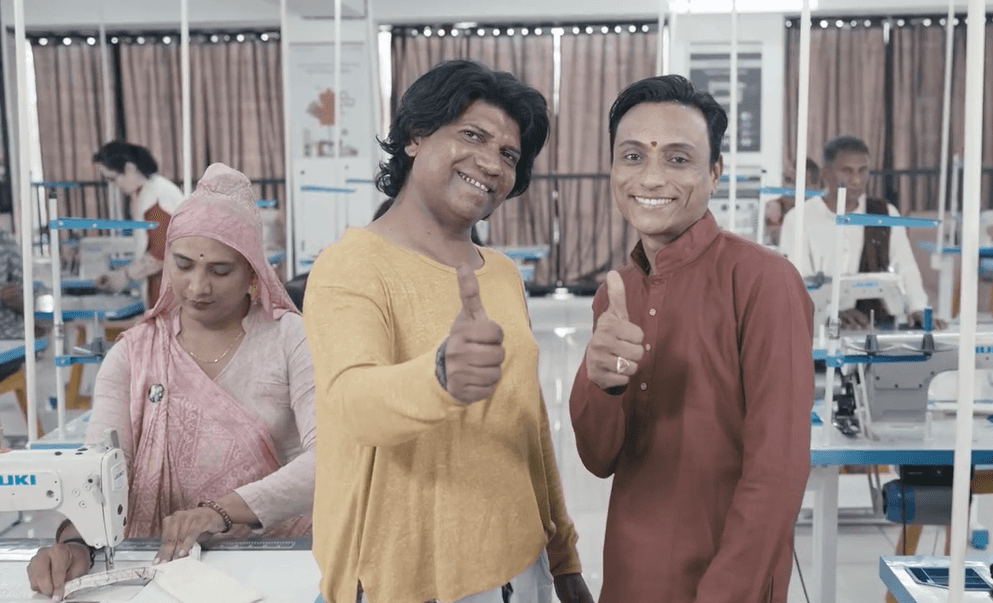
The Livelihood Development Program for Transgender Individuals, implemented by Centum Foundation, was designed to address these challenges through a dignified, skill-based livelihood pathway. The program focused on self-employed tailoring and hand embroidery, combined with entrepreneurship support, market linkages, and long-term handholding.
Implemented in Ahmedabad, Gujarat, this CSR initiative demonstrates how targeted, inclusive interventions can enable economic independence while restoring confidence, dignity, and social belonging.
The CSR Challenge
Why Corporate Social Responsibility Was Needed
Despite legal recognition, transgender individuals continue to face:
High unemployment and informal work dependency
Social stigma and workplace discrimination
Limited access to formal skill training
Lack of capital and market access for self-employment
Many are forced into unstable livelihoods such as begging or informal labour due to the absence of inclusive employment opportunities. This reality underscored the need for corporate social responsibility initiatives that go beyond awareness and actively create sustainable livelihood pathways.
The CSR Initiative
Self-Employed Tailoring as a Corporate Social Responsibility Model
The program was designed as a holistic CSR intervention that combined skill development, entrepreneurship, and social inclusion.
Key components of the initiative included:
Basic and advanced tailoring training
Hand embroidery and garment finishing techniques
Entrepreneurship and financial literacy sessions
Branding, pricing, and customer engagement skills
Market linkage support with designers and retailers
Distribution of sewing machines and raw materials
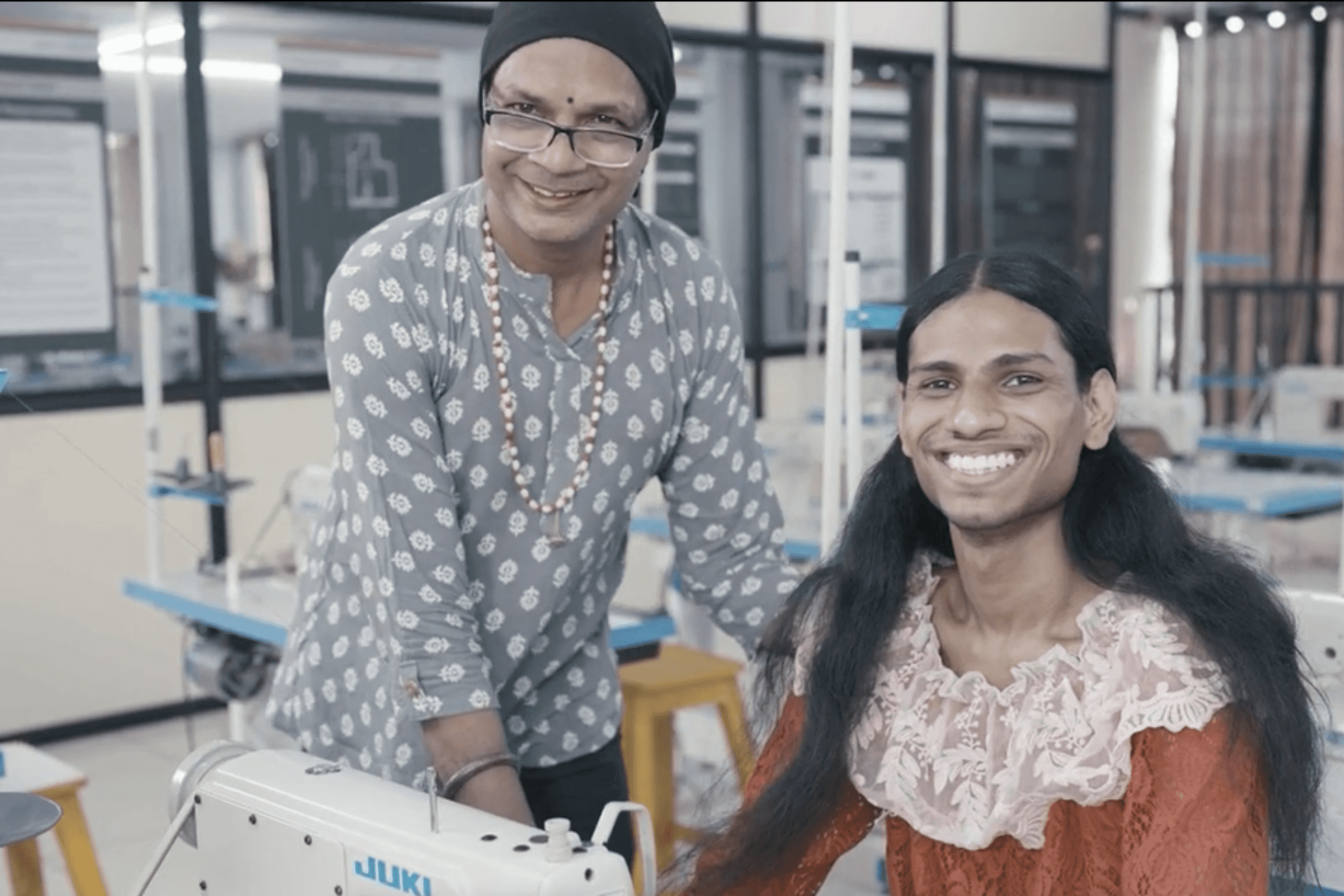
Training was delivered in a safe, non-discriminatory environment with sensitized trainers, flexible schedules, and emotional support through mentorship and peer groups.
Outreach & Community Engagement
Building Trust Through Inclusion
The outreach strategy was deliberately community-driven to ensure trust and participation.
Partnerships with local transgender networks, NGOs, and community leaders
Awareness sessions in safe community spaces
Door-to-door mobilization in high-density transgender localities
One-on-one counselling to address personal, legal, and social concerns
Simplified enrollment with logistical and financial support
This approach ensured strong engagement and reduced drop-out rates, reinforcing the importance of inclusive design in CSR initiatives.
Who the CSR Initiative Reached
Targeted and Inclusive Beneficiaries
The program directly supported 25 transgender individuals from economically vulnerable backgrounds in Ahmedabad.
Beneficiary profile highlights:
Adults across varied age groups
Participants with prior informal livelihood experience
Individuals seeking dignified self-employment
High motivation to build independent income streams
Indicator | Details |
Total Beneficiaries | 25 |
Location | Ahmedabad, Gujarat |
Livelihood Focus | Self-employed tailoring |
Equipment Support | Sewing machines provided |
Measurable Outcomes
Economic, Social, and Skill-Based Impact
While the project was still in early stages at the time of reporting, clear outcomes and early indicators were visible.
Economic & Livelihood Outcomes
Over 60% of participants reported increased income within months
At least 50% initiated self-employment or expanded tailoring services
Reduced dependency on informal or high-risk livelihood sources
Skill & Enterprise Development
90% completed tailoring and business training
Improved confidence in pricing, customer handling, and order fulfilment
Increased demand for custom stitching services
Financial Inclusion
Over 70% opened bank accounts and began formal savings
Stories of Transformation
From Margins to Dignified Livelihoods
The program created deep personal and social transformation among beneficiaries.
Kirti, a transgender woman from Ahmedabad, rediscovered confidence and purpose through tailoring. From stitching for neighbours to proudly showcasing her own designs during a fashion walk, the program enabled her to earn with dignity and challenge social stereotypes.
Sanam, the sole breadwinner of her family, combined tailoring with her existing livelihood, creating a stable dual-income model. The training restored her confidence and gave her control over her economic future.
These stories reflect the human impact of inclusive corporate social responsibility initiatives.
Beyond Livelihoods
Advancing Social Inclusion
The program also contributed to:
Increased community acceptance of transgender individuals as skilled professionals
Reduced stigma through public engagement and visibility
Peer mentoring, with graduates inspiring new participants
Greater self-esteem, dignity, and social participation
This demonstrates how CSR social responsibility initiatives can create cultural and attitudinal change, not just economic outcomes.
Key Learnings
What This CSR Initiative Taught Us
Trust and community buy-in are essential for engaging marginalized groups
Skill training alone is insufficient without business and financial support
Flexible, empathetic training models improve retention and outcomes
Market linkages are critical for long-term sustainability
These learnings will inform the design of future inclusive CSR initiatives.
Why This CSR Model Works
A Replicable and Inclusive CSR Framework
The success of this initiative lies in:
Deep community engagement
End-to-end livelihood support
Equipment ownership enabling self-employment
Strong corporate–NGO partnership
Focus on dignity, not dependency
This case study reflects the pros of corporate social responsibility when inclusion and empowerment are placed at the centre of program design.
Conclusion
The Livelihood Development Program for Transgender Individuals, supported by Thomson Reuters, stands as a powerful example of corporate social responsibility in India driving inclusion, dignity, and economic independence.
By enabling self-employment, building confidence, and creating social acceptance, the initiative demonstrates how corporations that are socially responsible can transform lives and communities.
Partner with Centum Foundation to design and implement inclusive corporate social responsibility initiatives that create sustainable livelihoods and promote social equity.