
24000+ Technical Youth trained
A mega placement drive connected ITI and polytechnic learners to jobs in emerging industries, helping young technical talent move confidently from classroom training to real employment opportunities.
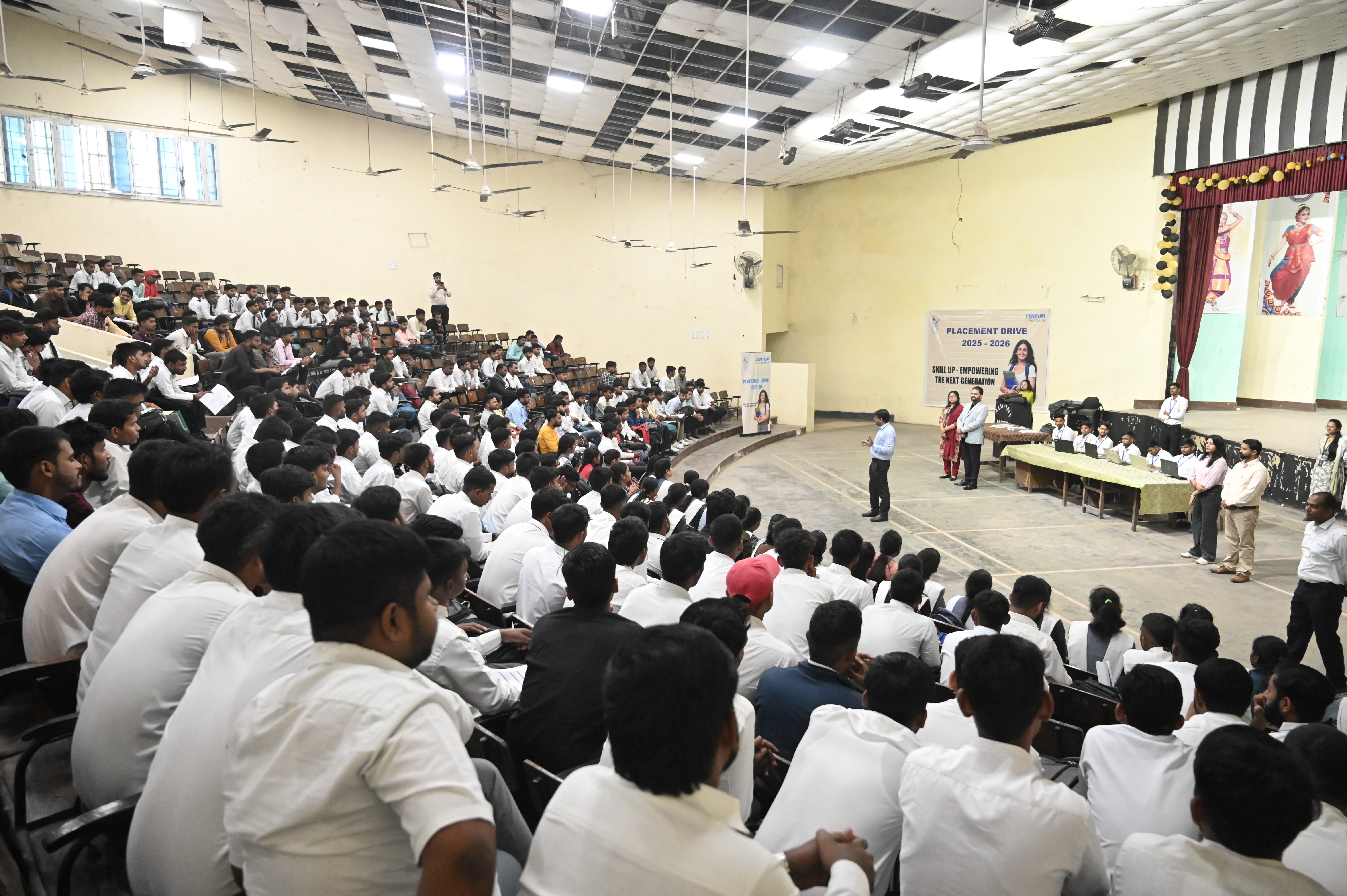
Skill Up: Empowering the Next Generation
Category: Case Study
Focus Area: Corporate Social Responsibility | Employability | Youth Skilling
Corporate social responsibility in India has evolved from philanthropic contributions to outcome-driven, scalable initiatives that address systemic challenges. One such challenge is youth employability—where technical education alone often fails to translate into workplace readiness.
Skill Up: Empowering the Next Generation is a corporate social responsibility initiative designed to bridge this gap by equipping young people with industry-relevant skills, workplace competencies, and access to sustainable employment. Implemented by Centum Foundation, the initiative demonstrates how well-structured CSR initiatives can deliver measurable social and economic impact at scale.
This case study highlights how a focused CSR corporate social responsibility program strengthened employability outcomes for youth from economically disadvantaged backgrounds across India.
The CSR Challenge
Why Corporate Social Responsibility Was Needed
Despite increased access to higher and technical education, a significant proportion of Indian youth struggle to secure employment due to gaps in communication skills, financial literacy, professional behaviour, and career readiness. These challenges are further amplified for young people from low-income households, rural areas, and aspirational districts.
Baseline assessments conducted under the Skill Up program revealed low confidence across critical workplace competencies such as public speaking, professional communication, networking, and career planning. This reinforced the need for corporate social responsibility initiatives that go beyond technical training and address holistic employability.
The CSR Initiative
Skill Up: A Corporate Social Responsibility Initiative
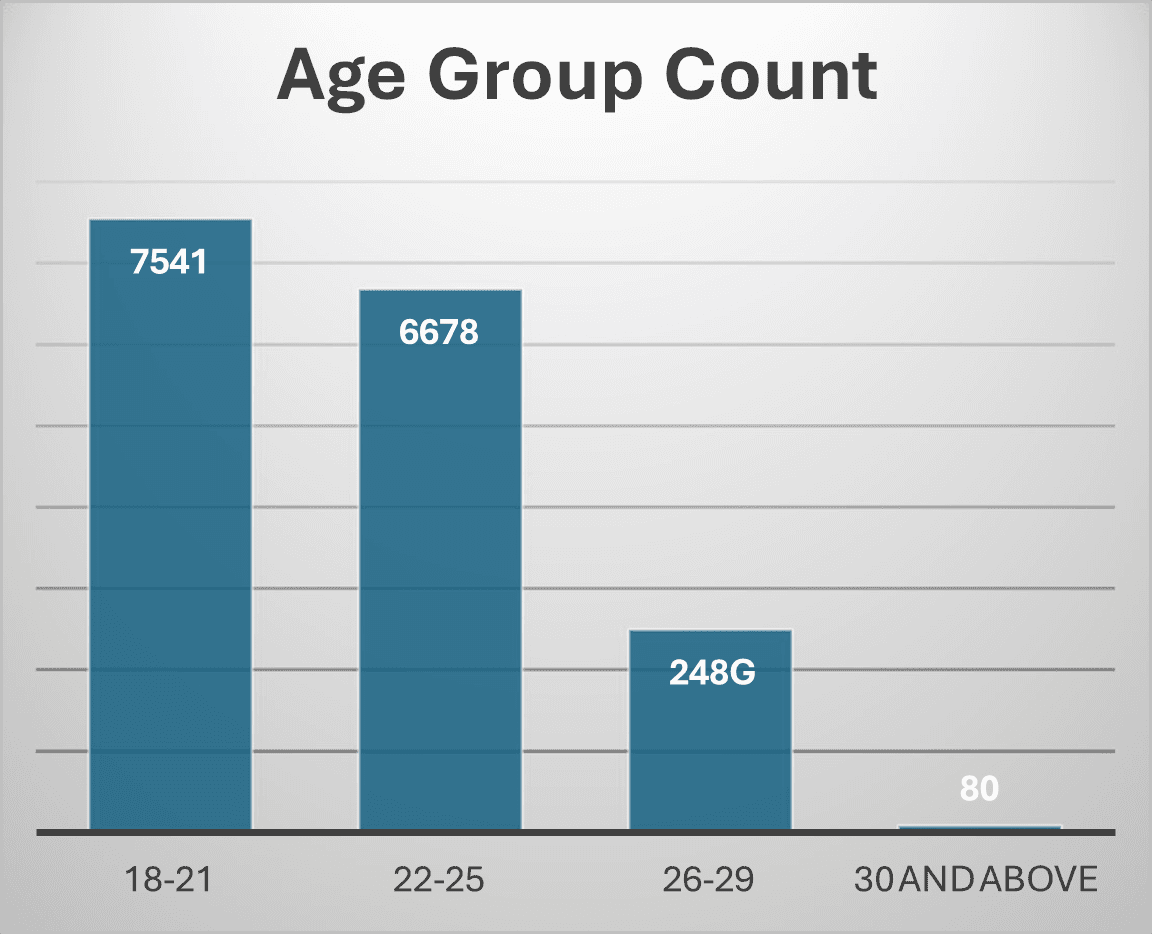
Skill Up was conceptualised as a structured CSR initiative focused on employability enhancement for youth aged 18–30. The program combines technical exposure with essential soft skills, ensuring participants are prepared for real-world workplace environments.
Key components of the initiative include:
Minimum 60 hours of blended training per participant
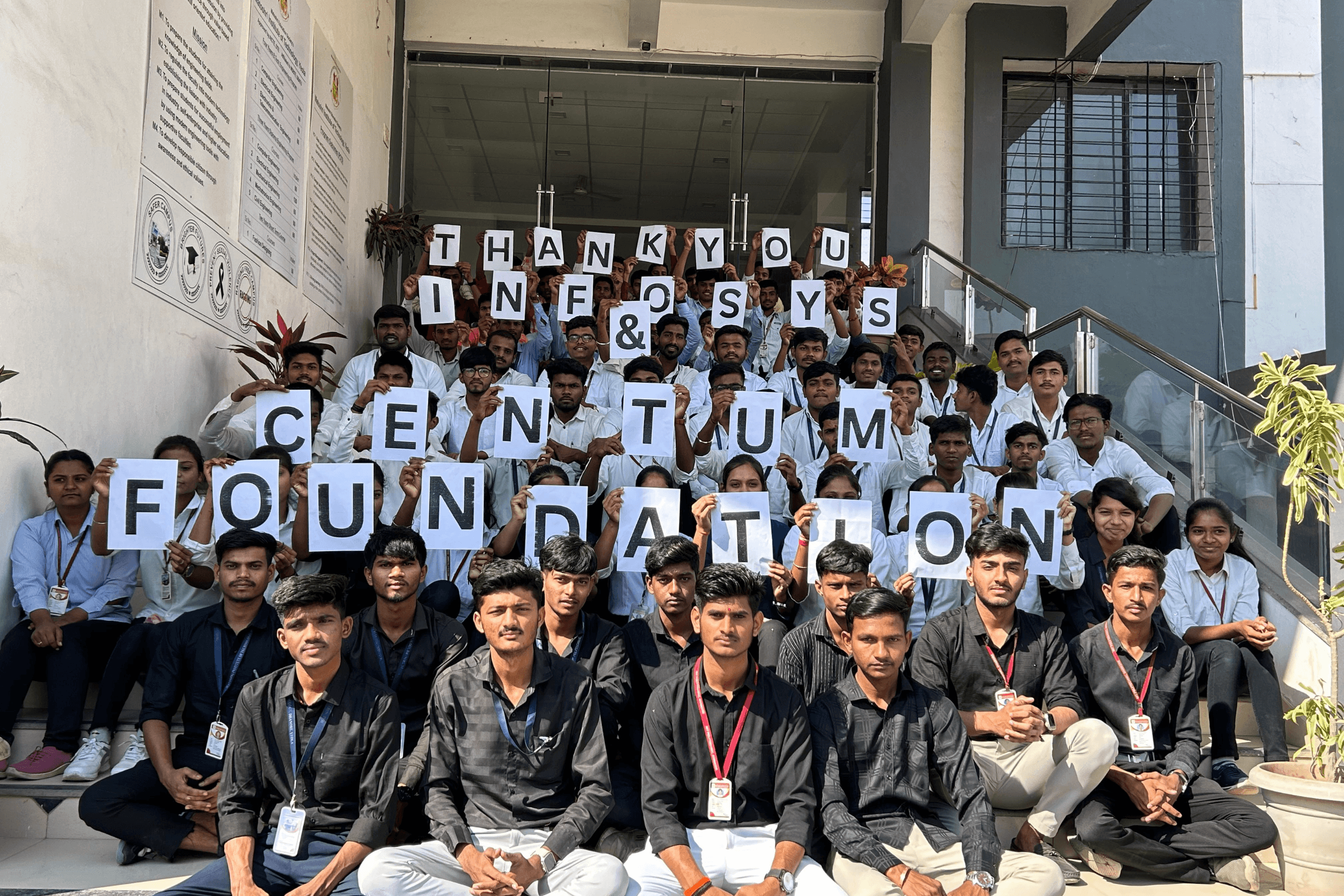
Focus on communication skills, financial literacy, workplace behaviour, and interview readiness
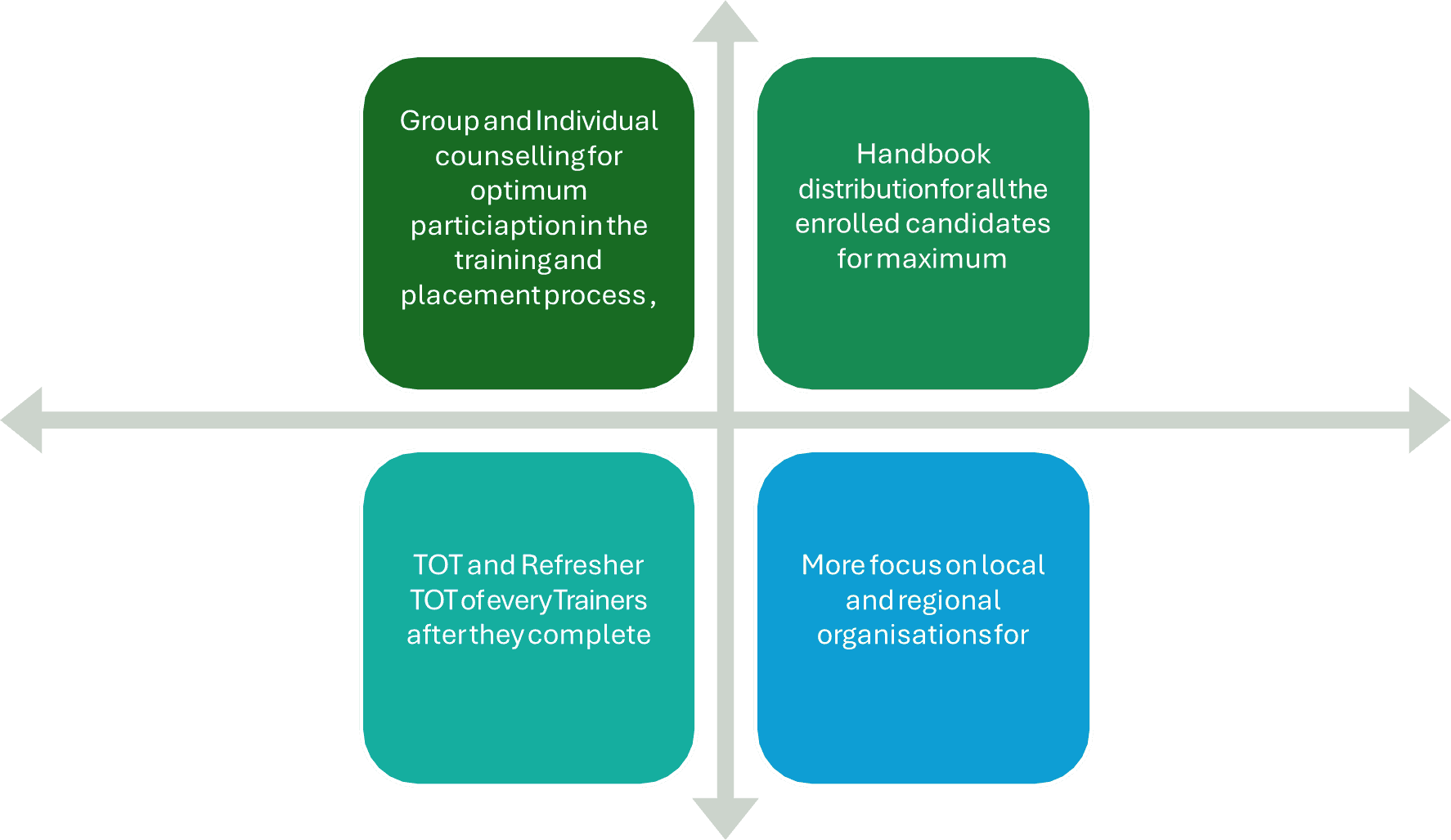
Group and individual counselling to support participation and confidence-building
Distribution of learning handbooks for knowledge retention
Regular Training of Trainers (TOT) and refresher sessions to maintain quality
Strong alignment with local and regional employers for placement opportunities
This approach reflects the growing shift in corporate social responsibility from inputs to outcomes.
Implementation at Scale
From Vision to Action
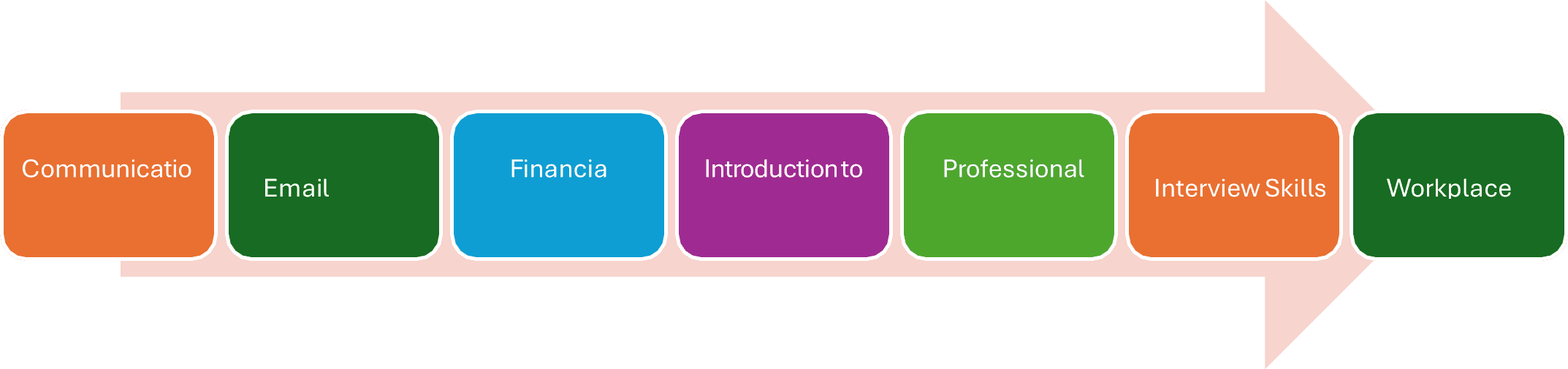
The Skill Up program was implemented across 15 states, with a strong focus on rural, semi-urban, and aspirational districts. The initiative partnered with ITIs, polytechnics, and colleges to ensure accessibility for underserved communities.
83% of training centres were located in rural and semi-urban areas
The program engaged youth from aspirational and economically underserved districts, ensuring CSR reach where it was needed most
Uttar Pradesh, Maharashtra, Bihar, and Madhya Pradesh emerged as key geographies based on enrolment and impact
State / Region | Beneficiaries Reached |
|---|---|
Uttar Pradesh | 7,800+ |
Maharashtra | 1,900+ |
Bihar | 1,000+ |
Madhya Pradesh | 1,000+ |
Other States (11) | 5,000+ |
Total | 16,000+ |
Who the CSR Initiative Reached
Inclusive and Targeted Beneficiaries
The Skill Up initiative prioritised inclusion as a core CSR objective.
57% of beneficiaries came from families earning below ₹1 lakh annually
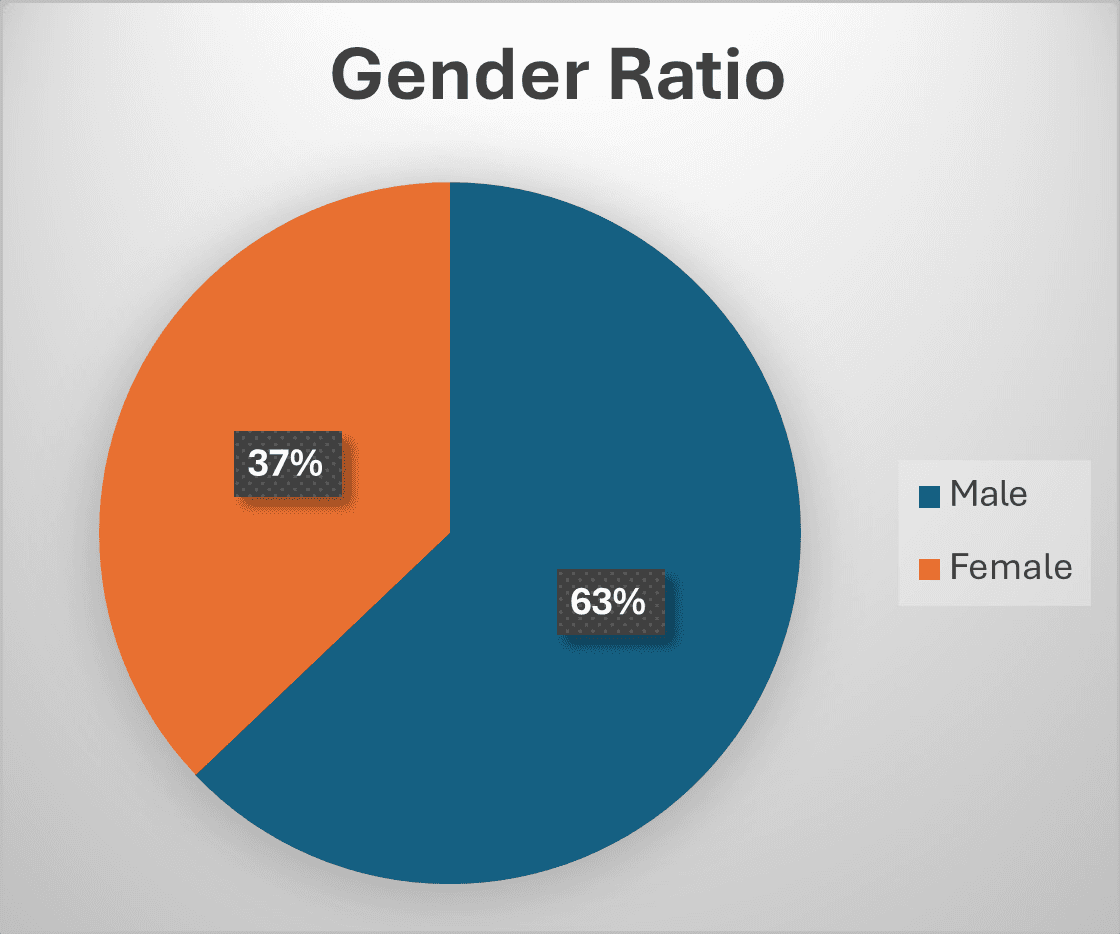
38% women participation, a notable achievement in technical and manufacturing-linked roles
Majority of participants were first-time job seekers and recent graduates
This reflects how socially responsible management can design CSR initiatives that actively include marginalized communities.
 |  |
|---|
Measurable CSR Impact
From Training to Employment
One of the strongest outcomes of the Skill Up CSR initiative was its placement performance.
16,000+ youth trained
6,000+ youth placed across multiple sectors
97% placements in STEM and manufacturing roles
Manufacturing alone accounted for over 5,000 placements, reflecting strong industry alignment
Indicator | Outcome |
|---|---|
Total Youth Trained | 16,000+ |
Total Youth Placed | 6,000+ |
Female Placement | 30–36% |
STEM Placements | 97% |
Beyond Jobs
Building Confidence and Capability
A defining feature of this corporate social responsibility initiative was its focus on confidence and capability building.
Endline assessments showed significant improvement in:
Public speaking and communication confidence
Financial management skills
Professional networking ability
Career clarity and workplace readiness
Participants shifted from low-confidence categories at baseline to moderate and high confidence levels after training—demonstrating that CSR social responsibility initiatives can create long-term human capital transformation, not just short-term employment outcomes.
Why This CSR Model Works
A Scalable Corporate Social Responsibility Framework
The success of Skill Up lies in its alignment of corporate intent with on-ground execution. Key strengths include:
Clear CSR objectives linked to employability outcomes
Strong funder–implementer collaboration
Continuous monitoring and data-driven decision-making
Focus on both scale and depth of impact
This model demonstrates the pros of corporate social responsibility when programs are designed with accountability, transparency, and long-term outcomes in mind.
Conclusion
Skill Up: Empowering the Next Generation stands as a strong example of how corporate social responsibility initiatives in India can drive inclusive growth, strengthen workforce readiness, and deliver measurable impact at scale.
By addressing employability through a holistic lens, the initiative showcases how corporations that are socially responsible can create lasting value for individuals, communities, and the broader economy.
Partner with Centum Foundation to design and implement impactful corporate social responsibility initiatives that deliver measurable outcomes and meaningful social change.